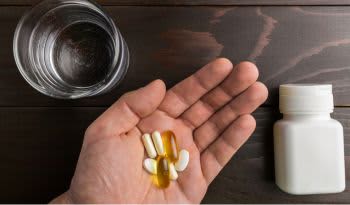
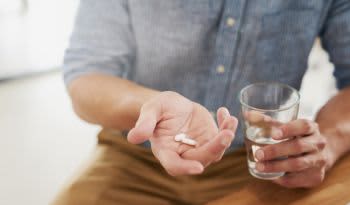
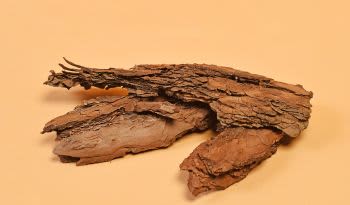
Ulazak u tridesete označava važnu prekretnicu na putu očuvanja muškog zdravlja. Učinkovitost, oporavak i dugoročna vitalnost sve više ovise o dobroj strategiji, a sve manje o samom ulaganju napora. Izreka „radite pametno, a ne naporno” tada dobiva sasvim novo značenje.
U tridesetima količina mišićne mase počinje opadati, razina testosterona također može lagano pasti, a stresori izazvani stilom života često se pojačavaju. Dodajte duge radne dane, zahtjevne treninge i nedosljedne obroke i lako je shvatiti zašto čak i muškarci u formi mogu razviti suptilne nedostatke hranjivih tvari.
Kvaliteta sna, oporavak, prehrana i pametna suplementacija postaju još važniji u ovom desetljeću. Iako nijedan dodatak prehrani ne može zamijeniti uravnoteženu prehranu, muškarci u 30-im godinama suočavaju se s jedinstvenim fiziološkim promjenama koje čine određene vitamine, minerale i hranjive tvari sve važnijima.
Kao kondicijski trener i 36-godišnji muškarac, iz prve ruke sam naučio kako male prilagodbe u prehrani mogu dovesti do ogromnih poboljšanja energije, fokusa i oporavka. U nastavku ćemo pokriti kako se prehrambene potrebe muškaraca mijenjaju nakon 30, najbolje vitamine i suplemente koje treba uzeti u obzir i kako izgraditi temelj koji podržava performanse i dugovječnost.
Ključni zaključci
- Zašto se stvari mijenjaju nakon 30-te: kako muškarci ulaze u 30-te godine, promjene u hormonima, metabolizmu i brzini oporavka čine pametnu prehranu i ciljanu suplementaciju temeljima za održavanje energije i performansi.
- „Velika 3” kao temelj: vitamin D, magnezij i omega-3 ključni su za podršku zdravlju kostiju, razine testosterona, rada srca i oporavka, često rješavajući uobičajene praznine u hranjivim tvarima.
- Performanse i oporavak: kreatin monohidrat nije samo za bodybuildere; to je najbolji izbor za muškarce u 30-ima za održavanje mišićne mase, jačanje energije i podršku kognitivnim funkcijama. Cink i vitamin C dodatno pomažu imunološkoj otpornosti i obnavljanju tkiva.
- Strateška rutina: jednostavna, dosljedna rutina – poput jutarnjeg multivitamina i omega-3, kreatina nakon treninga i večernjeg magnezija – može pomoći u optimizaciji prirodnih sustava vašeg tijela uz uravnoteženu prehranu i vježbanje.
Zašto se prehrambene potrebe muškaraca mijenjaju nakon 30-te
U svojim dvadesetim godinama mnogi muškarci uživaju u relativnoj metaboličkoj otpornosti – naporno treniraju, a mišićna masa reagira, oporavak se događa brže, a hormoni podržavaju performanse. No do svojih 30-ih vjerojatno ćete primijetiti nekoliko promjena:
- brzina metabolizma u mirovanju postupno opada, a očuvanje mišića postaje manje učinkovito
- oporavak traje duže jer se stres uzrokovan treningom, poslon i načinom života akumulira
- razina hormona (uključujući testosteron) može lagano pasti, a apsorpcija hranjivih tvari može se smanjiti
- dijeta i način života često postaju kaotičniji kako se vremenski zahtjevi povećavaju
Ove stvarnosti znače da pametna prehrana i suplementacija koja je bila „neobavezna” u vašim 20-ima postala „temeljna” u vašim 30-ima. Ništa ne zamjenjuje pravu hranu, san, trening i oporavak. Ali pametna suplementacija može popuniti praznine i podržati tijelo kada vaša prehrana nije optimalna ili vam je potrebna dodatna podrška.
Ključni vitamini i dodaci za muškarce u 30-im godinama
Podržite promjenjive potrebe vašeg tijela i napredujte u sljedećem desetljeću s ovim vrhunskim vitaminima i dodatcima za muškarce u tridesetima.
Vitamin D
Za muškarce u tridesetima, vitamin D igra bitnu ulogu u poboljšanju zdravlja kostiju, imuniteta, raspoloženja, mišićne snage, pa čak i održavanju razine testosterona. Sunčeva svjetlost je najbolji izvor vitamina D u tijelu. Dakle, muškarci koji rade u zatvorenom prostoru ili žive u manje sunčanim klimatskim podnebljima (uključujući i zimske mjesece) izloženi su većem riziku nedostatka vitamina D.1
Ako i vi, kao i mnogi muškarci, sumnjate da imate malo vitamina D, razgovarajte sa svojim liječnikom o testiranju razine i uzimanju dnevnog dodatka za podršku fizičkim performansama, oporavku i dugoročnom zdravlju. Uparivanje vitamina D s vitaminom K2 može dodatno podržati zdravlje kostiju i kardiovaskularnog sustava.
Vitamin C
Vitamin C jedan je od najmoćnijih antioksidansa u tijelu i ključan je za imunološku podršku, popravak tkiva i stvaranje kolagena. Iako vitamin C možete dobiti iz voća i povrća poput naranče, kivija ili paprike, suplementacija može biti izuzetno korisna tijekom teških ciklusa treninga ili razdoblja visokog stresa.2
Umjerena dnevna doza od 250 do 1000 miligrama podržava imunološku otpornost i oporavak, čineći vitamin C jednim od osnovnih gradivnih blokova za muškarce koji žele ostati otporni. Ključ je dosljednost, pogotovo ako putujete, izloženi čestim bolestima ili toksinima ili trčite u ograničenom snu.
Magnezij
Mnogi od nas – oko 48 % prema Nacionalnom istraživanju o zdravlju i prehrani (NHANES) – ne konzumiraju dovoljno magnezija kroz hranu koju jedu.3 A studije pokazuju da stariji odrasli i oni koji se bave intenzivnom tjelesnom aktivnošću mogu biti posebno skloni nedostatku magnezija.4
Magnezij je temeljni mineral uključen u opuštanje mišića, regulaciju živčanog sustava, metabolizam energije, kvalitetu sna i oporavak. Dopuna sa magnezijevim glicinatom prije spavanja može poboljšati kvalitetu sna, poboljšati oporavak i podržati proizvodnju testosterona, posebno kod onih s niskom razinom magnezija.5,6 To je jedan od najjednostavnijih i najutjecajnijih dodataka bilo kojoj noćnoj rutini.
Cink
Cink je još jedan kritičan mineral za muško zdravlje uključen u regulaciju hormona, imunološku obranu, zdravlje kože i seksualnu funkciju. Podržava preko 300 enzimskih funkcija u tijelu, uključujući one uključene u metabolizam energije, proizvodnju testosterona i popravak mišića.7
Za muškarce usmjerene na performanse u svojim 30-ima, dodatak cinka jednostavan je, isplativ dodatak prehrani koji može ojačati hormonalno zdravlje i sposobnost oporavka. Za prirodne prehrambene izvore cinka isprobajte kamenice, nemasno crveno meso, sjemenke bundeve i mahunarke!
Omega-3 masne kiseline (riblje ulje)
Omega-3, posebno EPA i DHA, neophodni su za zdravlje srca, mozga i zglobova. Oni također igraju važnu ulogu u upravljanju upalom i podržavanju ravnoteže hormona.
Većina muškaraca jednostavno ne dobiva dovoljno omega-3 samo iz prehrane – pogotovo ako ne jedu dosljedno 2 do 3 porcije masne ribe tjedno. Dopuna sa kombiniranim EPA/DHA dnevno može poboljšati kardiovaskularnu funkciju, podržati zdravu razinu kolesterola i poboljšati oporavak nakon vježbanja.8,9
Ako slijedite biljnu prehranu, odlučite se za omega-3 dodatak na bazi algi kako biste osigurali da dobivate dovoljno DHA bez oslanjanja na riblje ulje.
Kreatin monohidrat
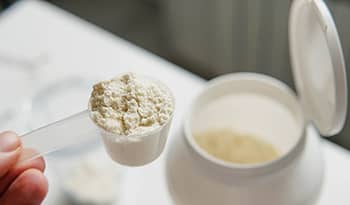
Ako postoji jedan dodatak prehrani koji bi gotovo svaki muškarac u tridesetima trebao uzeti u obzir, to je kreatin. Desetljeća istraživanja pokazuju da je to jedan od najučinkovitijih i najsigurnijih dostupnih pojačivača performansi. Kreatin pomaže vašim mišićima da proizvode više ATP-a, što ga čini posebno korisnim za treninge snage, sprintanje ili vježbe visokog intenziteta.10
A prednosti nadilaze teretanu. Nova istraživanja pokazuju da kreatin podržava funkciju mozga, kognitivnu otpornost, pa čak i regulaciju raspoloženja.11
Dnevna doza od oko 5 grama kreatin monohidrata dovoljna je za većinu muškaraca. Stručnjaci preporučuju uzimanje kreatina u isto vrijeme svaki dan s hranom ili nakon vježbanja. Za muškarce starije od 30 godina koji žele održavati mršavu mišićnu masu, podržati oporavak i održati energiju tijekom zahtjevnih blokova treninga, kreatin je svakodnevni dodatak.
Trebaju li muškarci uzimati multivitamin?
Poruka "jednodnevnog" multivitamina može biti zastarjela s obzirom na to koliko dodataka (i koliko informacija) ima na tržištu. Za mnoge muškarce, međutim, multivitamini i dalje služe vrijednoj svrsi. Zamislite multivitamine kao prehrambeno osiguranje, a ne pojačivače performansi.
Za muškarce koji često putuju, jedu neredovito ili slijede restriktivne dijete (poput niske razine ugljikohidrata, veganske dijete ili dijete bez mliječnih proizvoda), multivitamini mogu pomoći u popunjavanju praznina u unosu mikronutrijenata (tj. vaših vitamina i minerala). Također su korisni onima s lošom apsorpcijom hranjivih tvari, što može ograničiti koliko učinkovito tijelo unosi vitamine iz hrane.
Prvo: kvaliteta je bitna. Izbjegavajte multivitamine prepune sintetičkih punila i jeftinih sastojaka. Umjesto toga, potražite formulu za muškarce koja uključuje bioraspoložive hranjive tvari – metilirane vitamine B, kelirane minerale i odgovarajuće razine cinka, selena i vitamina D.
Multivitamin nije zamjena za uravnoteženu prehranu, ali može djelovati kao temelj pametnog snopa dodataka u kombinaciji s ciljanim dodacima poput kreatina, magnezija i omega-3.
Podrška zdravom načinu života u tridesetima
Dodaci su samo jedan dio jednadžbe kada je u pitanju zdrav način života. Temelj čovjekovog zdravlja u 30-ima još uvijek počiva na osnovama – prehrani koja uključuje cjelovitu hranu, treninge snage, kardio i treninge izdržljivosti, kvalitetan san i učinkovito upravljanje stresom.
Iz perspektive trenera (i govoreći osobno kao 36-godišnjak), ovo desetljeće odnosi se na optimizaciju oporavka jednako kao i performanse. Otkrio sam da većini muškaraca u tridesetim godinama ne treba više složenosti – potrebno im je više dosljednosti. Ne možete nadomjestiti loš san ili kronični stres, ali možete strateški koristiti prave alate za poboljšanje osnova.
Jednostavna, učinkovita rutina dodataka može izgledati ovako:
- Jutro: multivitamin+riblje ulje + vitamin D
- Prije i poslije treninga: kreatin + protein sirutke
- Večer: magnezij + vitamin C + cink
Odatle usavršite svoje individualne potrebe na temelju vašeg krvnog rada, opterećenja treninga i zahtjeva za životnim stilom.
Uključivanje pametnih dodataka prehrani i vitamina u vašu rutinu pomaže u podršci prirodnim sustavima vašeg tijela tako da možete odraditi dobar trening u teretani, pojaviti na poslu potpuno prisutni i ostati jaki desetljećima koja dolaze. Vaše tridesete mogu biti vaše najjače desetljeće do sada ako počnete igrati u poziciji napada sa svojim zdravljem. Kombinirajući prehranu cjelovitom hranom, dosljedne treninge i ciljanu suplementaciju, možete održati mišiće, energiju i na optimalan način zakoračiti u svoje 40-e i dalje.
Reference:
- Vitamin D – Informativni list zdravstvenih radnika. Pristupljeno 4. studenog 2025.
- Vitamin C – Informativni list zdravstvenih radnika. Pristupljeno 4. studenog 2025.
- Magnezij – Informativni list zdravstvenih radnika. Pristupljeno 4. studenog 2025.
- Zhang H, Wang R, Guo S i sur. Niža koncentracija magnezija u serumu i veće 24-satno izlučivanje magnezija u mokraći unatoč većem unosu magnezija u prehrani kod sportaša: sustavni pregled i metaanaliza. Znanost o hrani i dobrobit ljudi. 2023; 12 (5): 1471-1480.
- Arap A, Rafie N, Amani R, Shirani F. Uloga magnezija u zdravlju sna: sustavni pregled dostupne literature. Biol Trace Elem Res. 2023; 201 (1): 121-128.
- Činar V, Polat Y, Baltaći AK, Mogulkoc R. Učinci suplementacije magnezija na razinu testosterona sportaša i sjedećih subjekata u mirovanju i nakon iscrpljenosti. Biol Trace Elem Res. 2011; 140 (1): 18-23.
- Cink - Informativni list zdravstvenih radnika. Pristupljeno 4. studenog 2025.
- Khan SU, Lone AN, Khan MS i sur. Utjecaj omega-3 masnih kiselina na kardiovaskularne ishode: sustavni pregled i meta-analiza. Eklinička medicina. 2021; 38.
- Fernández-Lázaro D, Arribalzaga S, Gutierrez-Abejón E, Azarbayjani MA, Mielgo-Ayuso J, Roche E. Dodatak omega-3 masnih kiselina kod upale nakon vježbanja, oštećenja mišića, oksidativnog odgovora i sportskih performansi kod fizički zdravih odraslih osoba - sustavni pregled randomiziranih kontroliranih ispitivanja. Hranjive tvari 2024; 16 (13).
- Vosak B, Kerksick CM, Jagim AR, Mayo JJ, Lyon BC, Kreider RB. Kreatin za vježbanje i sportske performanse, s razmatranjima oporavka za zdrave populacije. Hranjive tvari. 2021; 13 (6).
- Forbes SC, Cordingley DM, Cornish SM i sur. Učinci suplementacije kreatina na funkciju mozga i zdravlje. Hranjive tvari. 2022; 14 (5).
NAPOMENA:
Ove tvrdnje nisu odobrene od strane Američke agencije za hranu i lijekove (FDA). Ovi proizvodi nisu namijenjeni za dijagnozu, liječenje, izlječenje ili prevenciju bolesti.


























































 Sadržaj